 The Rental Zone TT
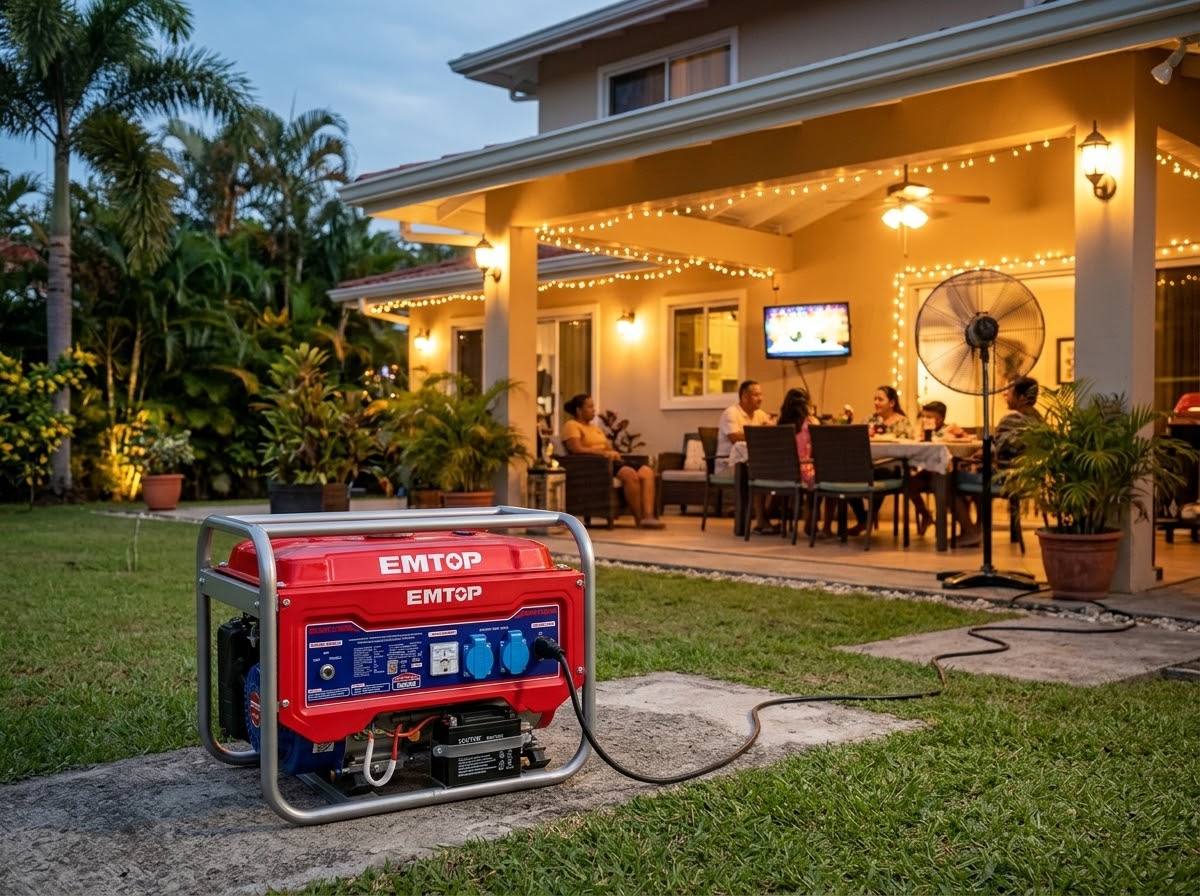
Need a generator for an event or project?
Check availability · TT$400/day1. List everything that needs electricity
Start with every item you expect to use at the same time. Depending on your event, that could include:
- DJ equipment, speakers and microphones
- Event and decorative lighting
- Electric fans
- Refrigerators or coolers that require electricity
- Food preparation equipment
- Other appliances or tools
Check the label or manufacturer's information for each item. Write down its power requirement in watts. If the information is shown in amps or volts instead, ask a qualified person to help calculate the requirement.
2. Add the running power requirements
Running watts describe the power an appliance needs while it is operating. Add the running wattage of the equipment that will be switched on at the same time.
Do not simply add every item you own if they will not all run together. Work from the actual event setup and include anything that may be added later.
3. Allow for starting power
Some equipment needs an extra burst of power when it starts. Appliances with motors or compressors, such as certain refrigerators and pumps, can have a higher starting requirement than their normal running requirement.
Check both the running and starting wattage. The generator must be able to handle the combined load and the starting surge of equipment that may switch on together. Do not choose a generator based only on the running-watt total.
Not sure what your equipment will require?
Ask us about generator rental4. Think about how long the generator must run
A generator for a short gathering may have different fuel needs from one running through an all-day event. Before confirming a rental, consider:
- How many hours you need power.
- Whether the equipment will run continuously or only occasionally.
- The generator's fuel consumption at the expected load.
- Whether refuelling will be needed during the event.
- Who is responsible for fuel and safe operation.
Runtime depends on the generator model, fuel capacity and electrical load. Confirm these details for the actual unit being supplied rather than relying on a general estimate.
5. Set up the generator safely
Generator placement is just as important as generator size.
- Operate it outdoors, never inside a home, building, garage or enclosed tent.
- Keep it well away from doors, windows and air intakes so exhaust cannot enter occupied spaces.
- Keep it dry and protect it from rain without enclosing it or blocking ventilation.
- Use extension leads and cables rated for the equipment and load.
- Have connections and distribution checked by a qualified person where needed.
Important: Generators produce carbon monoxide, a poisonous gas that cannot be seen or smelled. Never run a generator indoors or in an enclosed or partly enclosed area.
6. Have these details ready before you rent
- Your list of equipment and each item's wattage.
- Which items will operate at the same time.
- Any starting-watt requirements.
- How many hours you need power.
- The event location and proposed generator position.
- Whether delivery, fuel or an operator is required.
With this information, the supplier can check whether the available generator is suitable for your setup before you confirm the rental.
Arrange a generator rental with The Rental Zone TT.
Generator rental is listed at TT$400 per day. Availability and delivery are confirmed before a booking is accepted.
WhatsApp to check availability